
 Whether Father Alexander Schmemann coined the expression “the Western captivity of Orthodox theology” or borrowed it, he had in mind the Latinization and Protestantization of Orthodox thought due to the collapse of theological education in the former Byzantium after the fall of Constantinople, and the effects of Uniatism on theological education in present-day Ukraine and Russia.
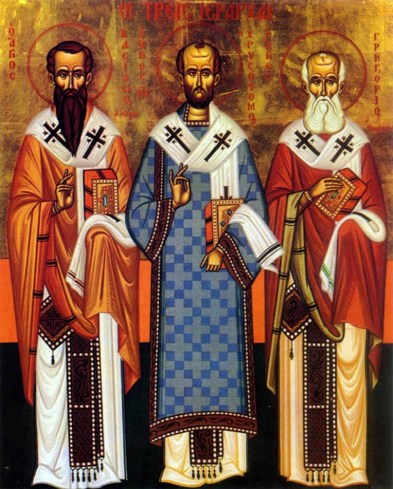
The rediscovery of the Fathers in the 18th and 19th centuries (thanks largely to the efforts of St. Nicodemus of the Holy Mountain and St. Macarius of Corinth in the Greek world, and of St. Paissy Velichkovsky in the Slavic world), the recovery of authentic iconography, the fact that we never amended our liturgical texts to accommodate the Westernized theologies, our growing resistance to “school theology”—these kinds of things contributed to the beginning of the Orthodox Church’s theological liberation from this captivity.
It seems to some of us that we are now descending into an even greater, more serious Western captivity. It comes not from Roman Catholicism or classical Protestantism this time, but simultaneously from two opposite extremes. What makes this new captivity baffling is that it emerges not from accidents of history over which we have no control, but from our own carelessness.



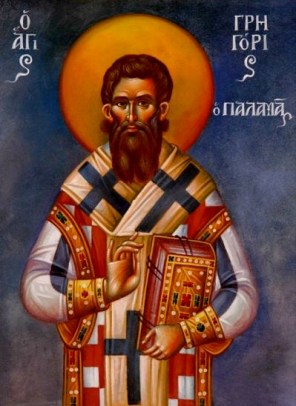 St. Gregory’s message was mostly apologetic, arguing on behalf of a spiritual experience historically grounded in the Church’s theology—not introducing anything new. He defended certain hesychast monks (from hesychia, meaning silence, stillness), who claimed they had encountered God’s uncreated light while in prayer.