For context see the Metropolitan Joseph: The Scandal section in our Archives 2020-22 linked at the top of this page and the Sexuality and Gender section in both Archives.
On October 24, Orthodoxy in Dialogue published the appointment of Metropolitan Antonios (El Souri) as the Patriarchal Vicar to the Antiochian Archdiocese together with his biography. His education grounds him impressively in both the sciences and theology. We noted that he has an article to his credit entitled “The Issues of Homosexuals in the Priesthood” — and we expressed our hope that this “[did] not signal an unwelcoming approach to the LGBTQ+ members of the Antiochian Archdiocese and the wider Orthodox Church.” We offered him our sincere welcome and humble prayers.
A week later, in a sweeping and shockingly ignorant condemnatory blogpost entitled “Holiness at a Time When Uncleanness is Made Legal” (which he may have thought was unlikely to be widely disseminated in the West), Metropolitan Antonios makes clear that his vision for the Orthodox Church of the 21st century has no place for the paganism and satanic mental illness of feminism, sexual and gender diversity in human nature, contraception, women’s rights, human rights, etc. etc. etc. Even while decrying “sexual liberty regardless of whether a person is married or not,” he makes not so much as a veiled allusion to the scandal of the adulterous, predatory, home-wrecking, family-despising former Metropolitan whose downfall necessitated his (Metropolitan Antonios’) appointment as Patriarchal Vicar.

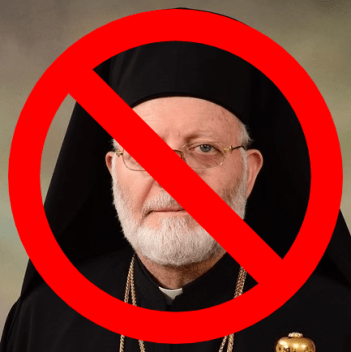
Metropolitan Antonios (El Souri) of Zahle, Baalbek, and Dependencies
Patriarchal Vicar to the Antiochian Orthodox Christian Archdiocese of North America
✠
Holiness at a Time when Uncleanness is Made Legal
“For just as you presented your members as slaves of uncleanness, and of lawlessness leading to more lawlessness, so now present your members as slaves of righteousness for holiness.” (Romans 6:19)
In the 20th century, between the end of the 60s and beginning of the 70s movements of sexual liberation began and the idea of a “sexual revolution” started to spread. During the 60s broad changes started to occur in Western societies, particularly society’s attitude toward sex, which aimed to “liberate” sex from predominant religious, social and ethical constraints, leading to new legislation about the sexual behavior of an individual in society, much of which is still in effect today. Read More





 ORTHODOXY IN DIALOGUE