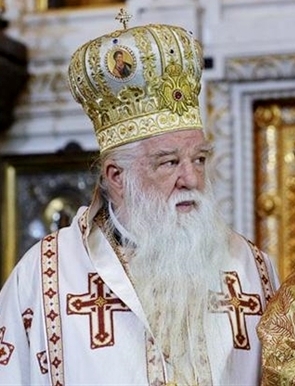
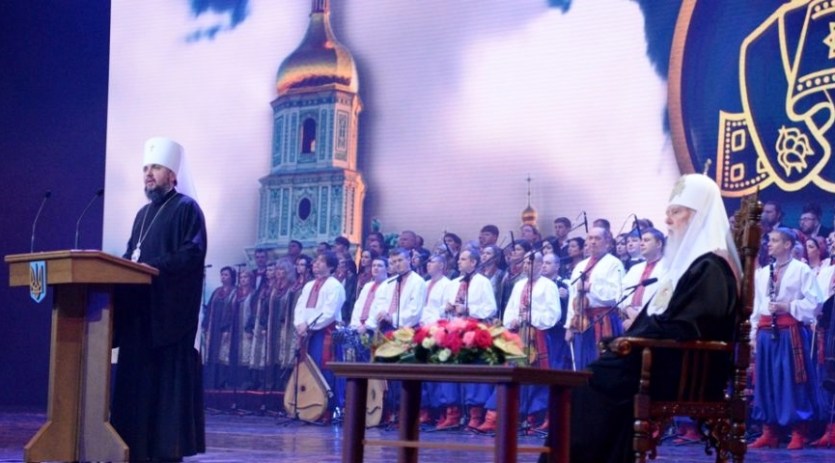
The website of the Orthodox Church in America (OCA) notes that today marks the sixth anniversary of Metropolitan Tikhon’s enthronement as Primate.
This reminded me that, in December 2012, fresh back from four years of atheism, and having just read the news of His Beatitude’s upcoming enthronement and the pricey banquet to follow, I sent him the following heartfelt email. He never responded.
It was intended not as disrespectful of Metropolitan Tikhon (I had no opinion of him at the time), but as an appeal to act less like an emperor and more like a shepherd—more like Christ—in his new primatial ministry.
I share my email now as an urgent appeal to all Orthodox Patriarchs, Metropolitans, Archbishops, and Bishops everywhere. The portion of Christ’s Flock entrusted to each of you needs true shepherds after the likeness of the Good Shepherd.
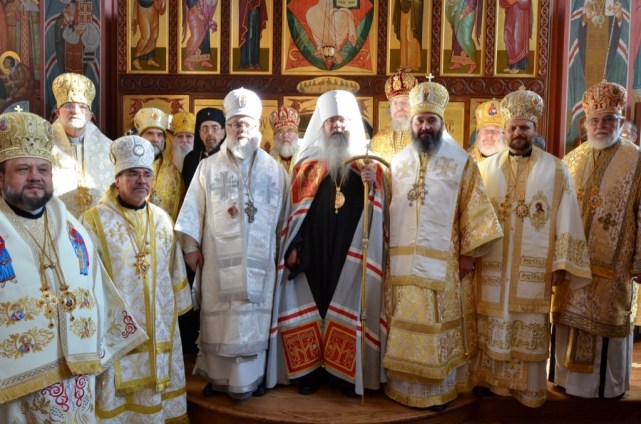
Enthronement of Metropolitan Tikhon. January 27, 2013.
December 21, 2012
Dear Metropolitan Tikhon:
In view of the dismissal in disgrace of the last three metropolitans of the Orthodox Church in America, one looks for a preliminary sign, any sign, that you will fare better than they, and that your primatial ministry will be cut from a different fabric from theirs.
It has been many years since I last attended a hierarchal liturgy, but I remember them well. When at last the omophorion is placed upon your shoulders, you are reminded in the midst of the congregation of your most fundamental duty to us, that of being an imitator of the Good Shepherd who leaves behind the ninety-nine and sets out in search of the one. Read More