
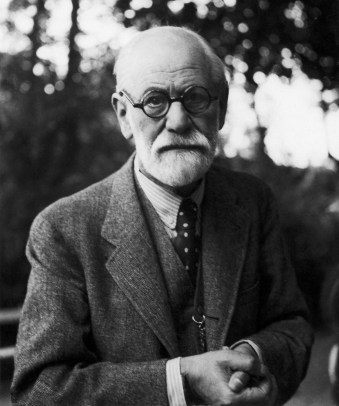
 2017 is the centenary of the publication of Sigmund Freud’s Introductory Lectures on Psycho-Analysis, one of his most popular and widely translated works. Curiously, this is also the 90th anniversary of the publication of The Future of an Illusion, Freud’s attempted debunking of “religion.” This latter book was and is his most controversial book, at least among Christians and Jews, many of whom ever after looked upon this “godless Jew” (as he wryly called himself) as an implacable enemy.
That book, alas, gave too many Christians an excuse not to read Freud and engage with him. Indeed, many disdained Freud based merely on summaries (invariably tendentious) of one or two parts of this book or some other work of his, missing the whole picture. Protestant, Catholic, and Orthodox Christians felt that Freud, along with Marx and Nietzsche—whom, collectively, the French Protestant philosopher Paul Ricœur dubbed the “masters of suspicion”—had to be ignored or even denigrated as an enemy of faith.
But to ignore Freud in particular is, I have long contended, a big mistake because he offers crucial insights that Christians, no less than anybody else, very much need. Fortunately, not all Christians have been so defensive around Freud. I have recently discussed elsewhere certain Western Christians who engaged with Freud and the later analytic tradition. But what about the Christian East? Read More





 ORTHODOXY IN DIALOGUE