 On a regular basis, Orthodox priests find themselves in situations in which they need to accurately assess parishioners’ spiritual well-being. Confession is but one setting where this takes place. There are likely few priests who have not occasionally felt daunted by the challenge of distinguishing which kinds of struggles brought by parishioners fall squarely within the purview of spiritual counsel, and which might benefit from referral to professional mental health providers. Coursework provided by some Orthodox seminaries prepares students for counseling that takes place in the parish, and acknowledges that there is a time for referral to outside professionals.
At the same time, within the dioceses of the Orthodox Church in America (OCA), to note one example, there are no uniform policies or guidelines in place to address these situations.
Beyond the relative lack of guidance on this issue, though, there are more immediate factors that make the handling of these situations problematic. These include: Read More

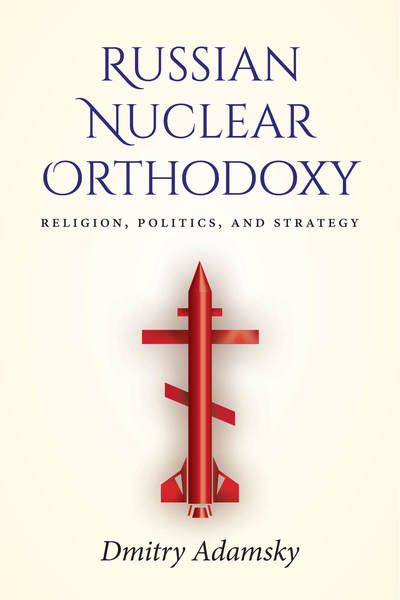 A nuclear priesthood has arisen in Russia. From portable churches to the consecration of weapons systems, the Russian Orthodox Church has been integrated into every facet of the armed forces to become a vital part of Russian national security, politics, and identity. This extraordinary intertwining of church and military is nowhere more visible than in the nuclear weapons community, where the priesthood has penetrated all levels of command and the Church has positioned itself as a guardian of the state’s nuclear potential. Russian Nuclear Orthodoxy considers how, since the Soviet collapse in 1991, the Church has worked its way into the nuclear forces, the most significant wing of one of the world’s most powerful military organizations.