EDGE OF THE ABYSS: THE USEFULNESS OF ANTICHRIST TERMINOLOGY IN THE ERA OF DONALD TRUMP reviewed by Daniel Nicholas

Edge of the Abyss: The Usefulness of Antichrist Terminology in the Era of Donald Trump
Robert Isaac Skidmore, PhD, MDiv (Archpriest Isaac Skidmore)
Asheville, NC: Chiron Publications, 2020

Image

If you’re like me and find yourself baffled by the cult-like sway of the current president over his most fervent supporters, you may also find yourself just days out from the election harboring no small amount of apocalyptic dread. Of course, time will tell whether such a grand scale of angst is truly warranted at this historic juncture, or whether the rhetoric and divisiveness of the 2020 election, in retrospect, will prove to have been yet another instance of so much political hyperbole. Nevertheless, it can be difficult to disentangle ourselves from the visceral immediacy of the moment and attain that coveted degree of passionless objectivity that makes our vision of reality so much more reliable. And yet, there are times when such clinical passivity can be morally disorienting. For all the modest virtues of sober judgment, are we not at some point obligated, despite the risks of losing or being wrong, to take a side? Such is the existential problematic looming in the background of Edge of the Abyss: The Usefulness of Antichrist Terminology in the Era of Donald Trump by Father Isaac Skidmore.

To clarify right away: this is not a book about Donald Trump as the Antichrist. Indeed, early on in the book Skidmore is careful to distinguish his understanding of the concept from that of popular evangelical American mythology. Instead, this brief book [88 pages including bibliography] serves as a preliminary deconstruction of the antichrist idea, sandwiched between an introduction and conclusion that refer to Trump as little more than a heuristic for understanding the idea of antichrist in our own time. It would be fair, therefore, despite the title, to describe this book as far more concerned with the phenomenon of antichrist in its varied dimensions than with Donald Trump per se.

Read More

THE LIMITS OF ACADEMIC FREEDOM by Giacomo Sanfilippo

Pages

What are the limits of academic freedom for Orthodox scholars and students of theology as we approach the end of the first quarter of the 21st century?

Given that the terms theology and theologian have assumed an academic and professional meaning entirely unknown to the patristic age, we do well to bear in mind that our search for “words adequate to God” comprises a fundamentally spiritual, ascetical, and especially ecclesial task. The characteristic ethos of Orthodox theology requires that each new generation strive to discover anew—in and for its own time and place—not our individual minds, but the Church’s unchanging mind. Only in the Church’s communion of faith traditioned once for all to the saints, and through each Orthodox believer’s personal practice of humility, prayer, and repentance, do we as the Church possess the mind of Christ. The Church proclaims before the Symbol of Faith at every Divine Liturgy that this ecclesial oneness of mind springs from our love for one another. Thus in the mystical life of the Church the Holy Spirit bestows both the one and the other—our mutual love in Christ and our unanimity with Christ—upon purified hearts of flesh as a gift of divine grace and a foretaste of consubstantiality in the age to come.

Read More

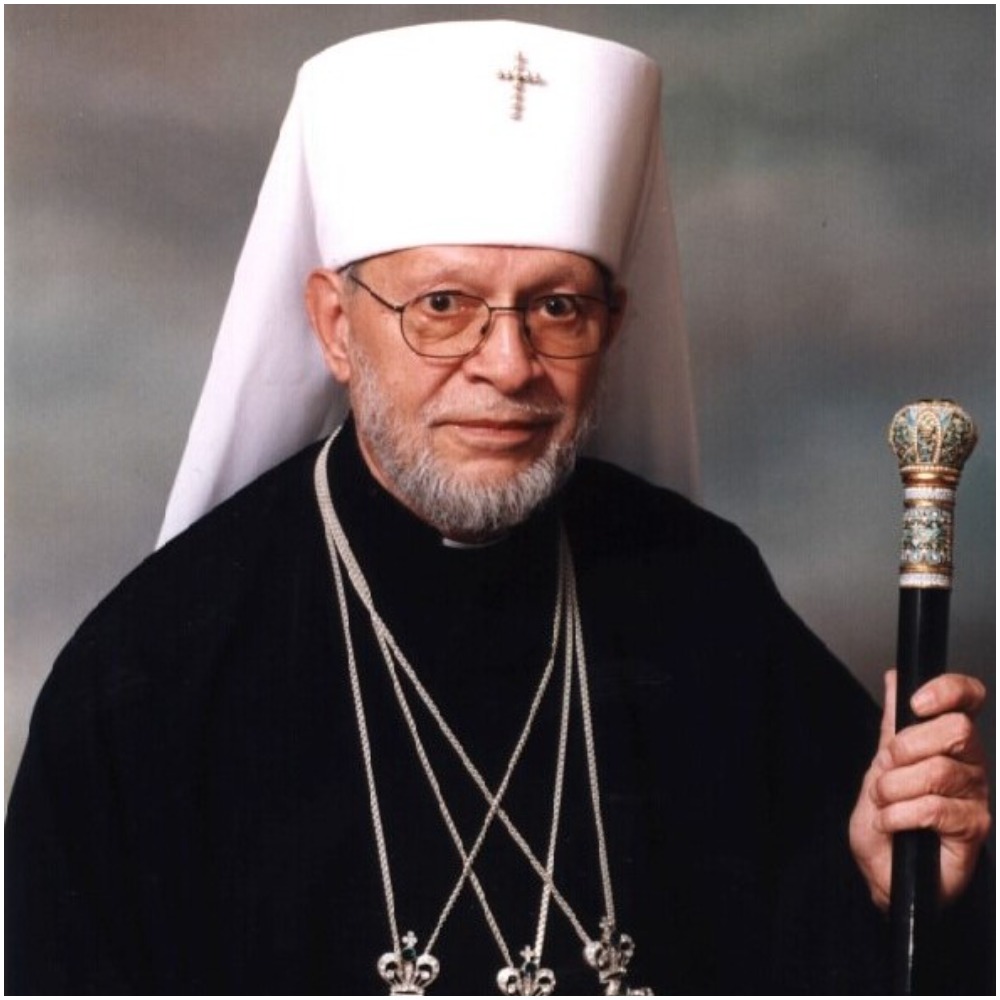
METROPOLITAN THEODOSIUS AND THE OCA’S BREATHTAKING HISTORICAL REVISIONISM

The Orthodox Church in America has announced the death of one of its three “retired” primates, Metropolitan Theodosius (Lazor). May his memory be eternal.

In the necrology published on the OCA website, we see a breathtaking case of historical revisionism surrounding the circumstances of Lazor’s removal from office after an egregious pattern of corruption and financial wrongdoing had come to light—for which he likely should have stood trial in a court of law and been deposed from holy orders, as befell his not-so-lucky chancellor and fellow conspirator, the former Protopresbyter Robert Kondratick.

The full record has been preserved at Orthodox Christians for Accountability, known familiarly as OCA News. Let our readers study this website carefully and form their own conclusions.

Read More

THE FUTURE OF ORTHODOX-CATHOLIC RELATIONS IN THE USA by Archbishop Elpidophoros of America

We share Archbishop Elpidophoros’ 2020 Economos Orthodoxy in America Lecture, delivered September 21 at Fordham University, with Orthodoxy in Dialogue’s readers without editorial comment for the purpose of encouraging fraternal debate within the entire body of the Orthodox Church—hierarchy, clergy, monastics, and laity alike. Orthodox ecclesiology grants no bishop the authority to speak on behalf of the Church or to impose his personal understanding of the Faith on the Church. Rather—as the ill-fated Council of Florence ever reminds us in every succeeding generation—our bishops are answerable individually and synodally to the whole Church for the proper exercise of their episcopal charism to “rightly define the word of truth.”

Read More