
This is the seventh article in our On the Incarnation series for the Nativity Fast.
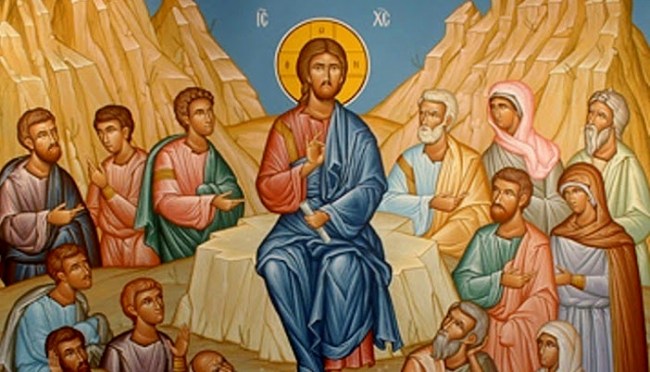
In Brian Doyle’s introduction to his memoir, The Wet Engine, he writes, “I don’t know much, but I know these things uncontrovertibly and inarguably: One: stories matter waaaaay more than we know. Two: all stories are, in some form, prayers. Three: love is the story and the prayer that matters the most.” Doyle, a devout Catholic writer, passed away due to a brain tumor in 2017. He was only sixty years old. The Wet Engine, a reflection on his son, who was born with an incomplete heart, reveals much about the frailty of the human body. Doyle begins the book with a call to action: “Let us contemplate, you and I, the bloody electric muscle.”
And contemplate it he does, especially when it comes to one owner of a “bloody electric muscle” in particular—He whom we celebrate each year on the 25th of December:
He too was once a fertilized egg (Doyle writes), doubling and redoubling itself, forming endocardial heart tubes, myocardium and epicardium, the cells of what would be his heart miraculously migrating and fusing and dividing into the genius engineering of the four magic chambers, his amazing new heart beating beneath his amazing mother’s amazing heart after eight weeks […] and then mere moments later he is crying Eloi! Eloi! as he dies, he breathes his last, he yields up his spirit, his heart sludges to a halt on a cross on a bitter bleak afternoon; and then, three days later, in the oceanic black silence of the tomb in the garden […] There’s a heartbeat. And another. And another. And another…. Read More

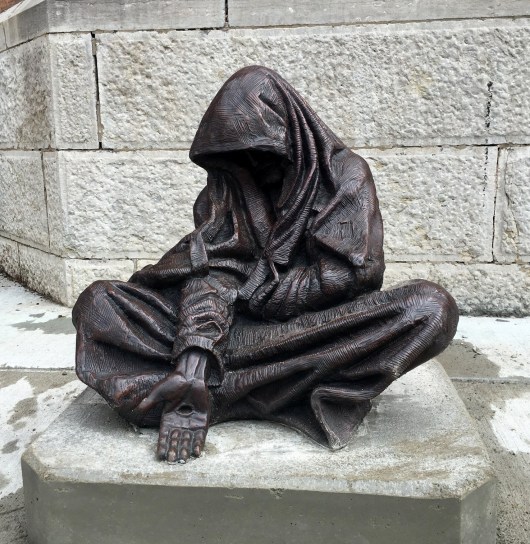

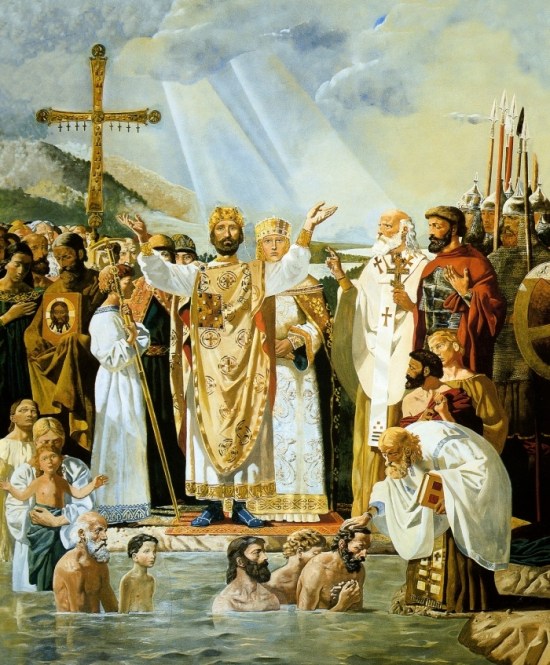

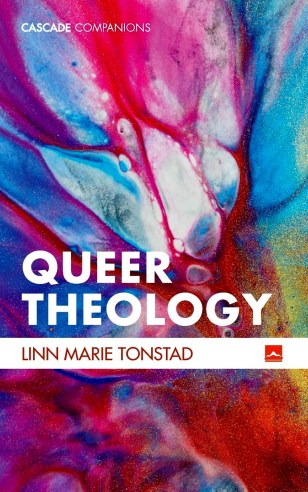 Increasingly, Orthodox Christians—whether clergy, theologians, or ordinary faithful—are finding it necessary to engage in conversations about gender and sexuality. However, many of these conversations often seem distinctly lacking in depth. On the one hand, “traditionalists” will cite proof texts from the Scriptures or the Tradition without recognising the historical gap between contemporary relations and identities and those referred to in our historical texts. On the other hand, those critical of the existing status of LGBT+ people within the Church often have little more to say on the question than an affirmation of God’s loving embrace of all people, perhaps with scriptural or patristic proof texts of their own. Between either camp, there is often little attention paid to the distinct spiritual needs and contributions of sexual minorities in the Church.

